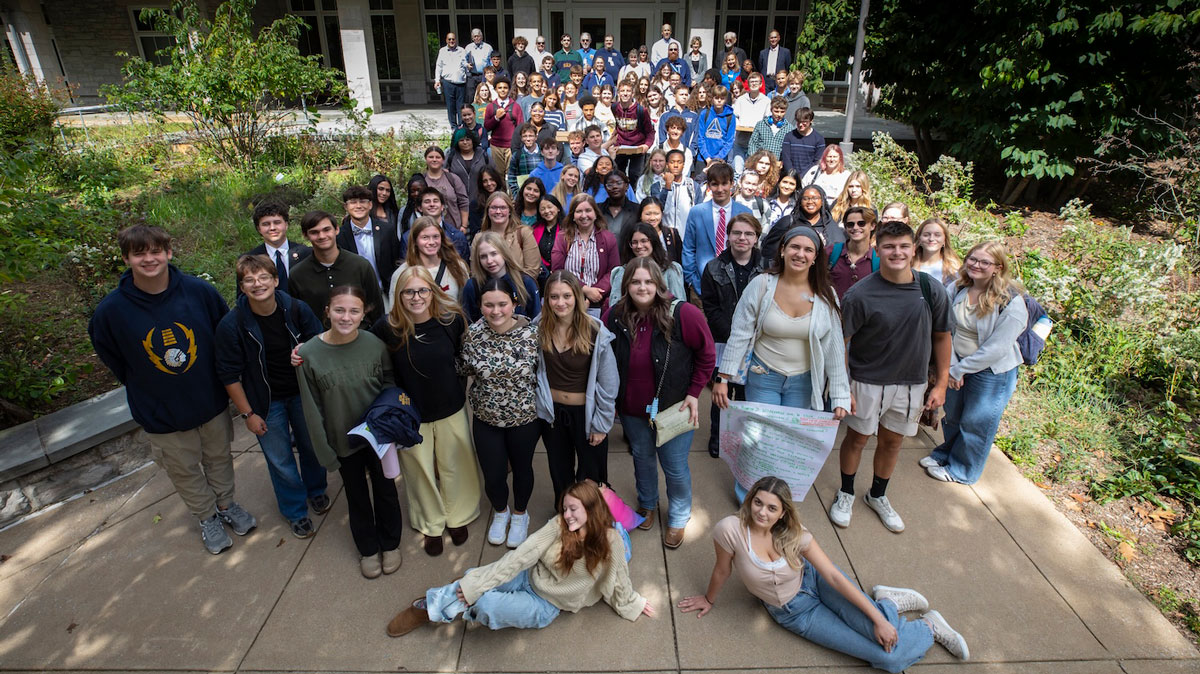
On September 24, 83 student leaders from seven Eastern Panhandle high schools gathered in the Byrd Auditorium at the National Conservation Training Center (NCTC) in Shepherdstown for the 2026 World Affairs Seminar. This year’s theme was “Taking the Vital Signs of the Planet’s Health: Wildlife, Humans, and the Environment.”
The World Affairs Seminar began more than 60 years ago as a project of the Martinsburg Rotary Club, working with what was then Shepherd College to give local high school students a window on the wider world. The newly formed Rotary Club of Shepherdstown joined as a co-sponsor in 1989. Over the past four years, the seminar has grown into a true Eastern Panhandle effort, with the Charles Town, Martinsburg Sunrise, and Berkeley Springs clubs joining in. Its purpose hasn’t changed: to give local students a balanced, in-depth look at a pressing global issue and what it means here at home.
This year’s topic looked at how closely human health is tied to the health of wildlife and ecosystems. The program covered invasive species, rewilding, and the role technology might play in a more hopeful future.
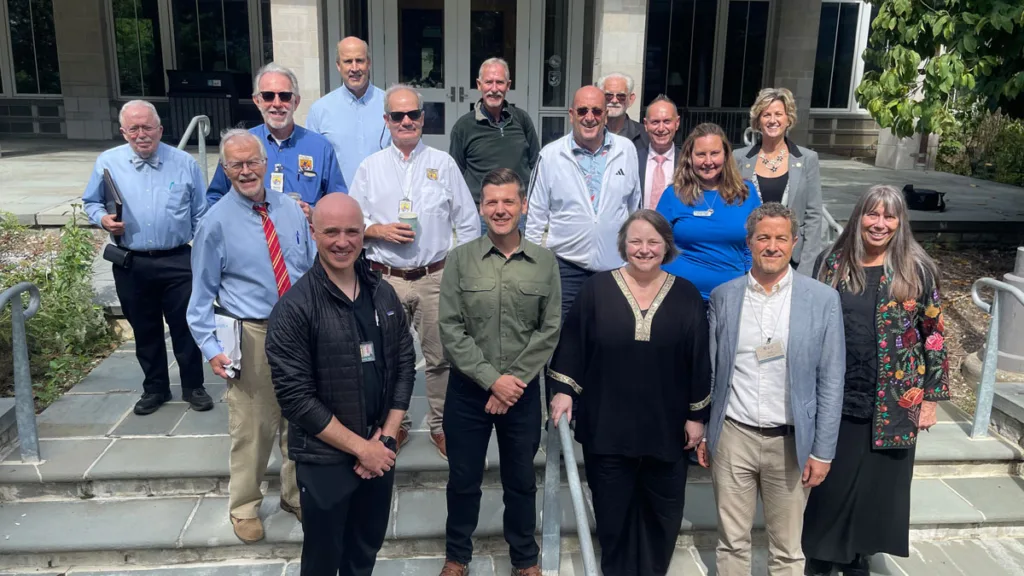
Students heard from an outstanding panel:
- Chris Lemon, Associate Director, Johns Hopkins University Institute for Planetary Health
- Chris Marshall, Senior Administrative Manager, Johns Hopkins University Institute for Planetary Health
- Andrew Moore, journalist and author of The Beasts of the East: The Fall and Rise of America’s Eastern Wilderness
- Heidi Ruffler, Manager of the Office of International Agreements and Partnerships, U.S. Fish and Wildlife Service
- Kimberly Fraser, Outreach Specialist, National Black-footed Ferret Conservation Center
The day had a special connection to its host. Chris Lemon is the son of Rick Lemon, NCTC’s first Director, who was a beloved colleague among the staff throughout his years there.
After the panelists’ plenary talks, students joined a roundtable discussion and then broke into small groups to work through focus questions. They brought their ideas back to the full room for conversation with the panel. Facilitators said the students were highly engaged throughout. The breakout discussions were broad and lively, and the speakers held the audience’s attention from start to finish.
The seminar doesn’t end when the day does. Participants are encouraged to keep going through community service, essays, travel, and other ways of turning what they learned into action here in the Eastern Panhandle.
Congratulations to Maria Brown and her International Service Committee for ourstanding preparation for a great day. Rotary’s sincere thanks go to the panelists, the faculty advisers, the volunteer facilitators, and Randy Robinson, Mark Madison, and NCTC for hosting. Most of all, thank you to the students, whose curiosity and thoughtful questions are the best sign yet that the planet’s future is in good hands.